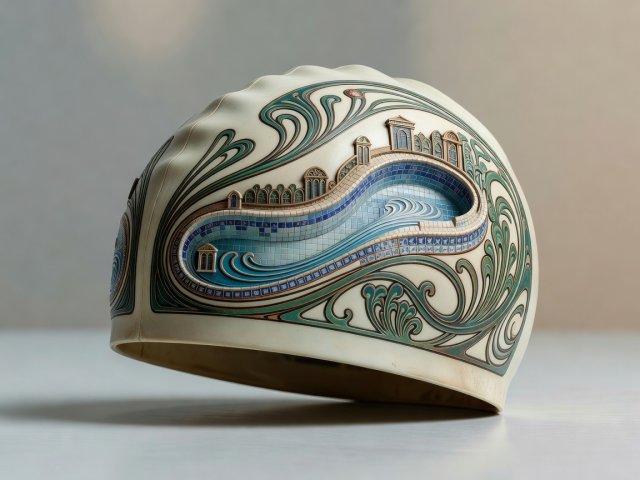
 Paris
Butte-aux-Cailles
A village-like hill in the 13th arrondissement, with street art, Commune history and a 1920s brick swimming pool fed by an artesian well.
You do not have to skip the great cities to travel quietly. You only have to turn left where the crowd turns right.
In almost every famous city, the crowd thins within ten minutes' walk of the main sights. Tour groups move along a narrow corridor between monuments, restaurants follow them, and everything else remains residential, which is to say real. The quarters below were picked because they have character of their own, not merely an absence of visitors: architecture worth studying, food you cannot find on the main squares and a local life that carries on whether you notice or not.
Treat them as neighbourhoods, not attractions. Keep your voice down at night, buy your coffee standing at the bar and remember that someone is trying to sleep behind that pretty shutter.
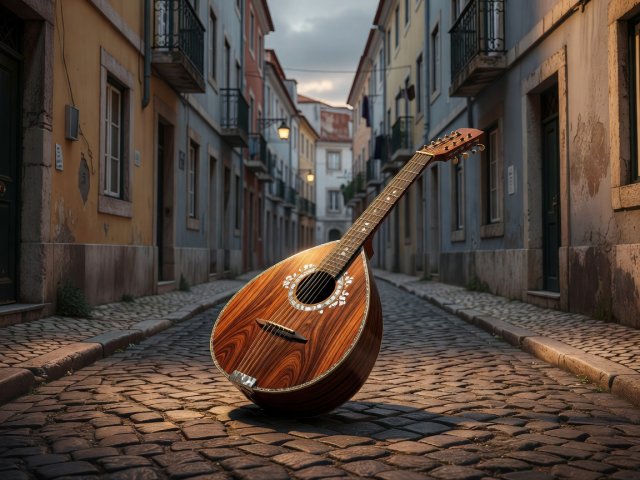
Below São Jorge Castle, while Alfama takes the attention, Mouraria climbs in steep staircases and tiny squares. After 1147 it became the quarter where the city's Moorish population was confined, and in the nineteenth century it gave birth to fado. The singer Maria Severa, often called the first fadista, lived on Rua do Capelão, where a guitar sculpture now marks her memory.
Today Mouraria is one of Lisbon's most multicultural districts, with Bangladeshi, Chinese and Mozambican groceries beside tascas. Start at Largo do Intendente, with its tiled façade of the Viúva Lamego factory, and end the night at a small casa de fado where the amateurs sing.
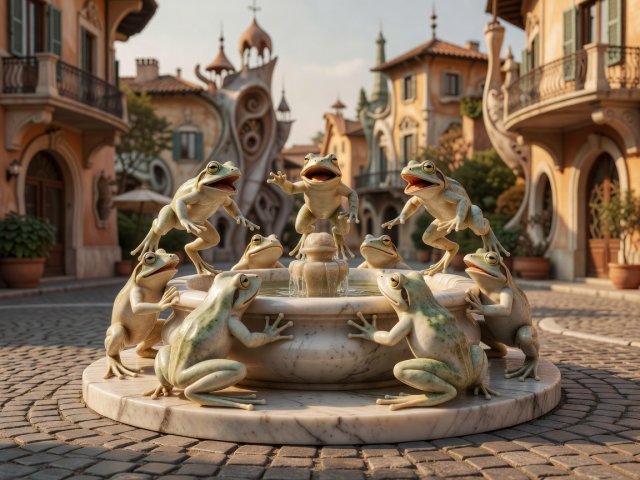
In the Trieste district, a few streets designed by the architect Gino Coppedè between 1915 and the late 1920s form one of Rome's strangest ensembles. Enter beneath a huge arch hung with a wrought-iron chandelier, and you reach Piazza Mincio and the Fontana delle Rane, the Fountain of the Frogs. Look up at the Palazzi degli Ambasciatori and the Villini delle Fate, the Fairy Cottages, covered in frescoes, mosaics and mock-medieval towers.
There are no ticket booths and few visitors. Pair it with a walk through the nearby Villa Ada park and a pastry from a neighbourhood pasticceria.
Historically home to Jewish, Greek and Armenian communities, Balat and neighbouring Fener rise from the Golden Horn in painted wooden and brick houses. The Ecumenical Patriarchate of Constantinople is based in Fener, and on the waterfront stands the Bulgarian St Stephen Church, prefabricated from cast iron in Vienna and assembled here in the 1890s.
Climb to the red-brick Phanar Greek Orthodox College, then descend to the Ahrida Synagogue and simple lokantas serving stews by the ladle. Arrive by ferry along the Golden Horn for the best introduction.
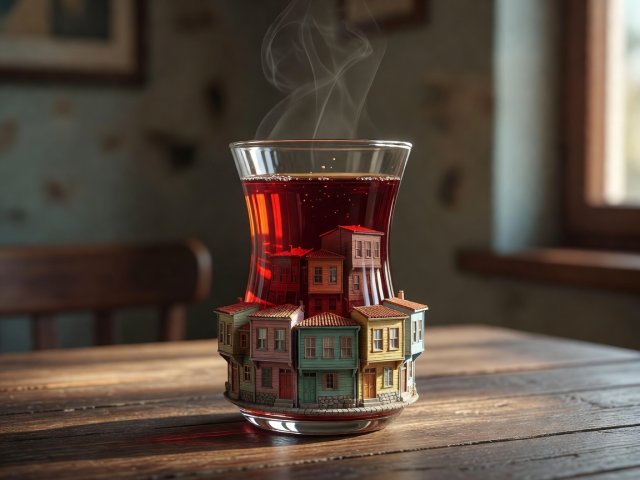 Paris
A village-like hill in the 13th arrondissement, with street art, Commune history and a 1920s brick swimming pool fed by an artesian well.
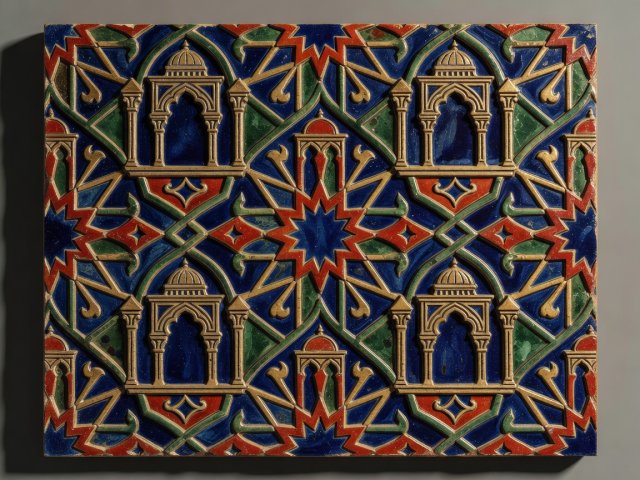 Mexico City
One of the city's first planned colonias, centred on the iron-and-glass Kiosco Morisco and lined with Porfirian mansions and old cantinas.
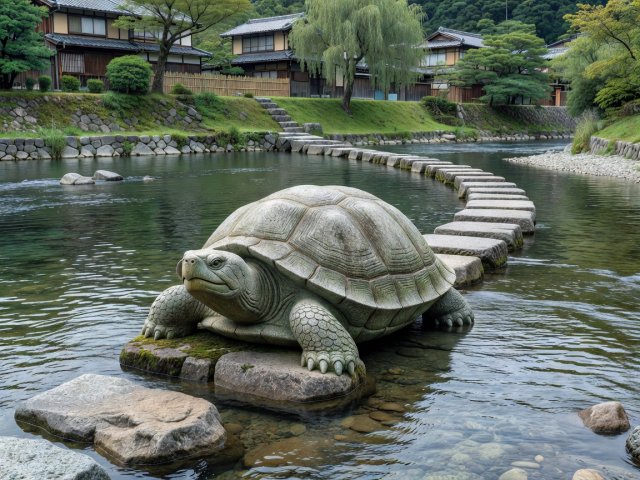 Kyoto
Where the Kamo and Takano rivers meet, hop across turtle-shaped stepping stones and walk into the ancient Tadasu no Mori forest of Shimogamo Shrine.
The quarters above are a starting collection, not a complete one. To uncover your own, look for a covered municipal market and walk outward from it. Follow schoolchildren at three in the afternoon, not tour groups at ten. Read the menu outside: if it is printed only in the local language and changes daily, sit down. And ask the person who runs your guesthouse where they eat on their night off.
Found a corner we should add? Leave a note at the contact desk.